Quick Answer: Yes. Dental sealant research consistently shows that sealants help prevent cavities in the deep grooves of back teeth by forming a physical barrier over them. How well they work depends mostly on how long the sealant stays bonded (retention), so regular checkups to inspect and repair sealants matter as much as the first application.
Parents in Milverton often ask us a fair question: do sealants actually work, or are they just one more thing to pay for? It deserves a straight answer. In this post, the team at Milverton Family Dental walks through what dental sealant research shows, where the evidence is strong, and where it still has limits. Specifically, we look at how sealants prevent decay, which materials have been studied, and what that means for your family’s next visit to our office on Main Street North.
Do Dental Sealants Actually Prevent Cavities?
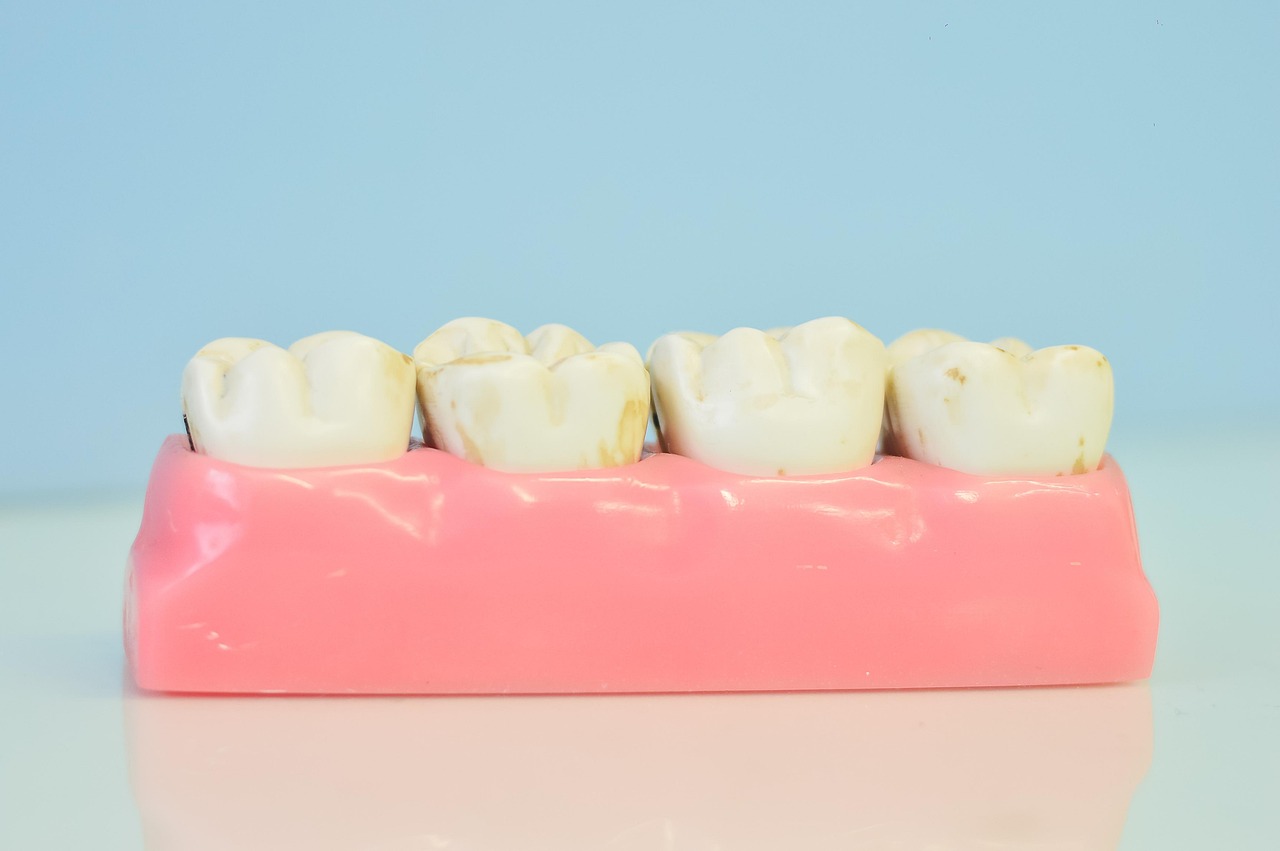
Yes, sealants reduce the risk of decay in the pits and fissures of molars and premolars. These chewing surfaces have narrow grooves that trap food and bacteria. Toothbrush bristles often cannot reach the bottom of them, even with careful brushing.
A sealant is a thin coating that flows into those grooves and hardens. Consequently, bacteria lose access to the sugars they feed on. A randomized clinical study published in BioMed Research International in 2022 explains that both resin and glass ionomer sealants control caries by forming a physical barrier that blocks metabolic exchange with fissure microorganisms. The same researchers note that deep fissures are highly vulnerable to decay. In other words, sealants protect the exact spots where cavities most often start in children.
Furthermore, the Canadian Dental Association includes sealants among the preventive steps for young patients. Its guidance on oral health for children stresses that early prevention is easier and less costly than treating decay later.
What Dental Sealant Research Says About Retention
Retention is the single biggest factor in how well a sealant works. A sealant only protects a tooth while it remains in place. Therefore, much of the published research focuses on how long different materials stay bonded.
The 2022 randomized study mentioned above calls retention “one of the most critical properties” of fissure sealants. Similarly, a 2025 comparative study in the Indian Journal of Dental Research followed children aged 6 to 14 for 18 months. It compared four sealant types: resin-based, glass ionomer, resin-modified glass ionomer and polyacid-modified resin. Researchers are clearly still refining which materials hold up best on different teeth.
Resin-Based vs. Glass Ionomer Sealants
Resin-based sealants are the most widely used option. However, glass ionomer materials also appear often in the research because they release fluoride and tolerate moisture better during placement. Each material has trade-offs. For instance, a tooth that is only partly erupted may be harder to keep dry, which affects which material a dentist chooses.
Our dentists choose a material based on your child’s teeth, age and how cooperative a young patient can be in the chair. We do not apply a single approach to every mouth.
Do Sealants Work on Weaker or Damaged Enamel?
Research suggests sealants can still play a role, although these teeth need closer monitoring. Molar-incisor hypomineralization (MIH) is a developmental condition that leaves enamel softer and more porous. Affected molars often decay quickly after they erupt.
A 2017 study in Brazilian Oral Research evaluated the survival of sealants on first permanent molars affected by MIH over 18 months. The study followed 41 molars in 21 children aged 6 to 8, comparing MIH-affected teeth with sound ones. As a result of work like this, dentists now pay closer attention to enamel quality when planning sealants. If your child’s six-year molars look chalky or discoloured, mention it at their next exam.
Who Benefits Most From Sealants?
Children and teens with newly erupted permanent molars usually benefit most. The first molars typically arrive around age six, and the second molars around age twelve. Additionally, these new teeth have immature enamel for the first few years, which makes them easier for decay to attack.
Adults with deep grooves and no existing fillings may also be candidates. Meanwhile, research on school-based programmes in lower-income communities has explored sealants as a public health tool, which shows how seriously the profession treats them as prevention. Sealants work best alongside other habits, though. They protect chewing surfaces only, so brushing, flossing and fluoride still guard the sides of each tooth.
How Sealants Fit Into Preventive Care in Milverton
At Milverton Family Dental, sealants are part of our general and preventive dentistry, alongside exams, cleanings, fluoride treatments and digital X-rays. Placement is quick and painless. First, we clean and dry the tooth. Next, we apply the sealant into the grooves and harden it. No drilling or freezing is needed.
After that, the real value comes from follow-up. Because retention matters so much, we check every sealant at routine visits. If one has chipped or worn away, we can usually touch it up in a few minutes. You can read more about the procedure on our dental sealants page.
Cost is also a common concern for local families. Our office accepts the Canadian Dental Care Plan (CDCP), so eligible patients may have preventive services like sealants covered. Our front desk team can help you check your coverage before treatment.
What the Research Does Not Promise
Sealants are not a guarantee against every cavity. They do not protect the spaces between teeth, and they cannot replace good oral hygiene. Likewise, a sealant that has quietly fallen off offers no protection at all. That is why honest dental sealant research focuses on retention and follow-up rather than one-time application.
Frequently Asked Questions
How long do dental sealants last?
Many sealants last several years, but wear varies by material, tooth and chewing habits. Your dentist checks them at each regular visit and repairs them when needed.
Are dental sealants only for children?
No. Children and teens benefit most because their molars are new, but adults with deep, cavity-free grooves can also be good candidates.
Does getting a sealant hurt?
No. The process involves no needles or drilling. The tooth is cleaned, the sealant is painted on and then hardened, usually within a few minutes per tooth.
Can sealants go over a cavity?
Sealants are meant for healthy teeth or very early enamel changes. A tooth with an established cavity usually needs a filling instead, which your dentist will assess during the exam.
Book a Sealant Check in Milverton
If your child’s permanent molars have recently come in, now is the ideal time to ask about sealants. Our friendly team at 28 Main St N will examine their teeth, explain the options and answer your questions without pressure. Contact Milverton Family Dental today to book a visit for your family.
Sources & References
- Caries-Preventive Effect and Retention of Glass-Ionomer and Resin-Based Sealants: A Randomized Clinical Comparative Evaluation (Biomed Res Int, 2022)
- Survival of Sealants in Molars Affected by Molar-Incisor Hypomineralization: 18-Month Follow-Up (Braz Oral Res, 2017)
- Canadian Dental Association: Oral Health for Children