Quick Answer
Protecting your dental implant lifespan in Milverton, ON comes down to daily habits more than anything else. With consistent brushing, flossing around the implant, a tooth-friendly diet, and regular checkups, most implants last 15 years to a lifetime. The implant post often lasts decades, while the crown on top may need replacing sooner.
Most patients ask about dental implant longevity on the day their implant is placed, yet the real answer unfolds over years of small choices at home. A well-placed implant can genuinely last a lifetime, but it depends heavily on how you care for it. At Milverton Family Dental, located at 28 Main St N in Milverton, ON, we treat prevention as the foundation of lasting results. This guide focuses on the proactive routines, home care, and diet choices that quietly determine how long your implant thrives.
What Determines Dental Implant Lifespan?
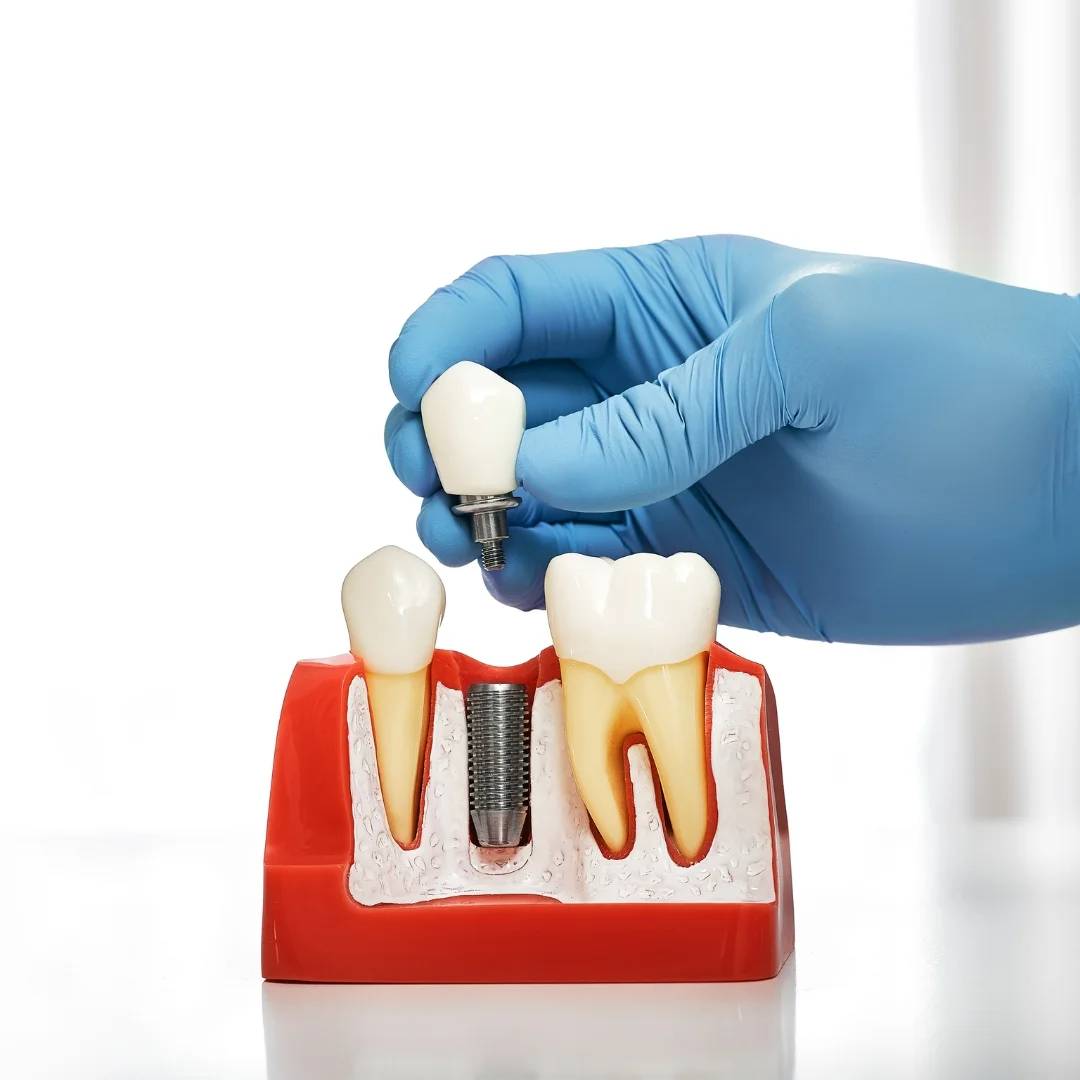
The implant itself is a titanium post that fuses with your jawbone, a process called osseointegration. Once integrated, that post is remarkably durable. According to the Canadian Dental Association, implants are designed to serve as a long-term replacement for missing tooth roots. However, longevity is not purely about the hardware. Specifically, it reflects gum health, bone stability, bite forces, and daily maintenance.
A systematic review on titanium surface modification found that implant surface treatments enhance healing and long-term mechanical stability at the bone-implant interface. Consequently, the clinical groundwork matters, yet your habits sustain that foundation afterward. We plan each implant carefully using digital imaging, and then we coach you on protecting it for the decades ahead.
The Post Versus the Crown
It helps to separate the two components. The titanium post frequently lasts 20 years or more, often a lifetime. The visible crown, however, absorbs daily chewing and may wear out in 10 to 15 years. Therefore, needing a new crown someday is normal and does not mean the implant failed. Regular visits let us catch wear early and refresh the crown before problems develop.
Daily Home Care That Extends Implant Longevity
Proactive home care is the single biggest factor you control. Brush twice daily with a soft-bristled brush, paying close attention to where the crown meets the gumline. Additionally, clean around the implant with floss designed for implants or a water flosser. These spaces trap plaque just like natural teeth, and neglected plaque triggers inflammation.
That inflammation can progress into peri-implantitis, a gum-and-bone infection that threatens the implant’s stability. Fortunately, it is largely preventable. If you notice redness, bleeding, or tenderness around the implant, contact us promptly. Our team also provides gum disease treatment to protect the tissues anchoring your implant. Furthermore, consistent cleaning keeps the surrounding bone strong and healthy for years.
Protecting Your Implant From Grinding
Many people clench or grind their teeth during sleep without realizing it. This habit places heavy, repetitive stress on an implant crown and can accelerate wear. If you grind, a custom night guard distributes those forces safely. Specifically, it shields both your implant and your natural teeth, which supports your long-term dental implant lifespan.
A Dental-Friendly Diet for Lasting Results
What you eat influences your gums, bone, and the crown itself. A balanced diet rich in calcium, vitamin D, and vitamin C supports the bone and soft tissue around your implant. Leafy greens, dairy, fish, and fresh produce all contribute meaningfully. Moreover, staying hydrated promotes healthy saliva flow, which naturally rinses away bacteria.
Limit sugary snacks and acidic drinks, because they feed the bacteria behind gum inflammation. Additionally, avoid using your implant to bite hard items like ice, pen caps, or popcorn kernels. These sudden forces can chip a crown. Instead, chew firmer foods with distributed pressure. Small adjustments like these pay off over many years.
Why Professional Checkups Still Matter
Home care works best alongside regular professional visits. The Canadian Dental Association recommends routine checkups to catch issues before they escalate. During these appointments, we examine the implant, measure gum health, and clean areas your brush cannot reach. Furthermore, we review your bite to ensure forces stay balanced across your smile.
Because every mouth is different, we tailor your recall schedule to your needs. For patients replacing several teeth, our broader dental implants services include ongoing maintenance planning. Research on implant-supported prostheses consistently links routine follow-up with higher survival and lower complication rates. Consequently, these visits are not optional extras; they are central to longevity.
Frequently Asked Questions
How long do dental implants last on average?
With good care, the implant post often lasts 20 years or longer, frequently a lifetime. The crown typically lasts 10 to 15 years before it may need replacing due to normal wear.
What is the most common reason implants fail?
Gum infection around the implant, known as peri-implantitis, is a leading cause. It usually stems from plaque buildup, so daily cleaning and regular checkups dramatically reduce the risk.
Can I eat normally with a dental implant?
Yes, implants restore strong chewing function. However, avoid biting very hard objects like ice, and maintain a balanced, low-sugar diet to protect the surrounding gum and bone.
Do dental implants need special cleaning tools?
A soft-bristled brush works well, and many patients benefit from implant floss or a water flosser. These tools reach the gumline around the crown where plaque tends to gather.
Book Your Implant Care Consultation in Milverton
Protecting your investment starts with a conversation and a personalized plan. Whether you already have an implant or are considering one, our team is happy to help you care for it well. Contact Milverton Family Dental to schedule a visit through our contact page, and let us help your smile last for decades.
Sources & References
- Canadian Dental Association, “Dental Implants”
- Canadian Dental Association, “Regular Dental Checkups”
- Success and survival of titanium surface modification on dental implant osseointegration: a systematic review
- Clinical Performance and Longevity of Implant-Assisted Removable Partial Dentures Compared to Other Removable Prosthesis Types: A Systematic Review